techniques and cooking methods
Barbecue is more than cooking food over fire — it is a set of techniques, each designed to bring out the best in a particular cut of meat, vegetable, or fish. Understanding the main cooking methods is the first step toward consistent, delicious results on any grill or smoker. This page brings together the essential concepts every backyard cook should know, from heat control to fuel choice and timing.
Direct Grilling: Fast Heat, Bold Sear
Direct grilling means placing food directly above the heat source, whether charcoal briquettes, lump charcoal, or gas burners. Temperatures typically range from medium to very high, making this method ideal for foods that cook quickly: burgers, steaks, sausages, skewers, and thin vegetables.
The goal is to develop a flavorful, browned crust through the Maillard reaction, the chemical process responsible for the savory aromas of grilled food. Because the heat is intense, timing and attention matter. Move food frequently, manage flare-ups by adjusting the grates or shifting the food, and use a two-zone fire to rescue anything cooking too fast.
- Best for: steaks, chops, burgers, kebabs, shrimp, asparagus, peppers
- Typical heat: medium to high (roughly 350°F to 600°F at grate level)
- Key skill: judging doneness quickly and managing flare-ups
Indirect Grilling: Gentle, Even Cooking
Indirect grilling positions food beside — not over — the heat source, with the lid closed so hot air circulates like an oven. On a kettle grill, this means piling coals on one side and cooking on the other. On a gas grill, it means lighting only some burners. This method is the bridge between quick grilling and low-and-slow barbecue.
Indirect heat is perfect for thicker cuts that would burn on the outside before cooking through: whole chickens, racks of ribs, pork shoulders finished at higher heat, and large vegetables. It also allows you to combine methods: sear a steak over direct heat, then finish it on the cooler side until it reaches the desired internal temperature.
Smoking: Low and Slow
Smoking is the heart of traditional barbecue. Food cooks at low temperatures — usually between 225°F and 275°F — for hours, over smoldering wood. The long, gentle heat renders tough connective tissue into gelatin, turning inexpensive cuts like brisket, pork shoulder, and ribs into tender, deeply flavored dishes.
Wood choice shapes the final flavor profile:
- Hickory: robust and bacon-like, a classic for pork and brisket
- Apple and cherry: mild and slightly sweet, excellent for poultry and pork
- Oak: steady and versatile, a dependable all-purpose smoking wood
- Mesquite: intense and earthy, best used sparingly or for shorter cooks
Success in smoking depends less on fancy equipment than on consistency: holding a stable temperature, keeping the smoke thin and blue rather than thick and white, and resisting the urge to open the lid too often. A simple rule of thumb — « if you’re lookin’, you ain’t cookin' » — reminds us that every peek adds cooking time.
The Reverse Sear
A favorite technique for thick steaks, the reverse sear inverts the traditional order. The meat first cooks slowly over indirect, low heat until it approaches the target internal temperature, then finishes with a short, intense sear over direct heat to build the crust. The result is an even, edge-to-edge pink interior with a deeply browned exterior — something difficult to achieve with searing alone.
- Season the steak and let it come close to room temperature.
- Cook it indirectly at low heat (around 225°F to 250°F) until it is 10 to 15 degrees below your target temperature.
- Sear it over direct, high heat for one to two minutes per side.
- Rest briefly, then serve.
Heat Management: The Skill Behind Every Method
Whatever the method, controlling temperature is what separates good barbecue from frustrating afternoons. Two tools make an immediate difference:
- A reliable thermometer: an instant-read probe for checking doneness and, ideally, a leave-in probe to monitor food without lifting the lid.
- Two-zone setup: arranging your grill with a hot side and a cool side gives you flexibility to move food as needed, whatever you are cooking.
Ventilation matters as well. On charcoal grills, the bottom vents supply oxygen to the fire and the top vents let heat and smoke escape; opening them raises the temperature, closing them lowers it. On gas grills, burner control and preheating time play the same role. Think of heat like a dial you adjust gradually rather than an on/off switch — small changes prevent wild swings.
Fuel and Flavor: Charcoal, Gas, and Wood
Each fuel brings its own character. Charcoal offers high heat and a distinctive smoky aroma, prized for searing and traditional barbecue. Gas provides convenience, precise control, and quick start-up, ideal for weeknight cooking. Wood, whether logs, chunks, or chips, is the flavor engine of true smoking.
A common misconception is that smoke flavor comes from big clouds of smoke. In reality, clean-burning, thin smoke delivers the best taste; heavy white smoke comes from smoldering, oxygen-starved wood and adds bitterness. Let your fuel burn cleanly, and the flavor follows.
Choosing the Right Method for Your Food
Matching method to ingredient is the practical core of barbecue knowledge. As a general principle:
- Thin, tender cuts favor direct, high heat and short cooking times.
- Thick or tough cuts favor indirect, low heat and longer cooking.
- Fatty, collagen-rich cuts like brisket and shoulder reward low-and-slow smoking.
- Delicate foods like fish and vegetables benefit from moderate indirect heat or a well-oiled, hot grill for quick marks.
Consider a simple example: a one-inch ribeye cooks beautifully over direct heat in under ten minutes, while a two-inch tomahawk steak will end up charred outside and raw inside unless you use the reverse sear or an indirect finish. Same ingredient family, different technique — that is the essence of barbecue thinking.
Resting, Slicing, and Finishing
Cooking does not end when food leaves the grill. Resting meat for five to fifteen minutes (longer for large roasts) allows the juices to redistribute, producing a noticeably juicier result. Slicing against the grain shortens muscle fibers and improves tenderness, especially on brisket and flank cuts. A final sprinkle of coarse salt or a brush of sauce in the last minutes of cooking rounds out the flavor without overpowering the smoke.
Start Simple, Then Experiment
The best way to build skill is to practice one method at a time. Master two-zone grilling with chicken thighs, try a reverse-seared steak, then attempt your first pork shoulder over low smoke. Each technique reinforces the others, and before long you will move between them instinctively. Every section on this page links to deeper explorations of each method, so choose the one that matches your next cook and build from there.
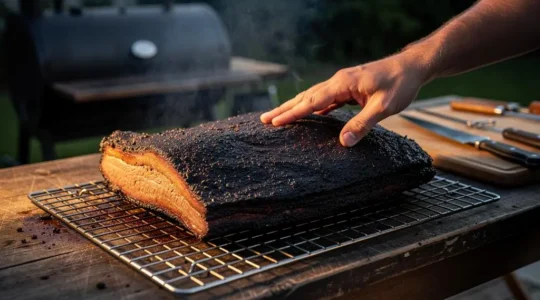
How to Get a Crisp Crust That Doesn’t Turn Chewy After Resting for 15 Minutes
A smoked brisket can leave the barbecue with a magnificent dark bark, only to arrive at the table with the texture of damp leather. The seasoning still tastes right. The smoke is still there. But that satisfying resistance under the…
Lire la suite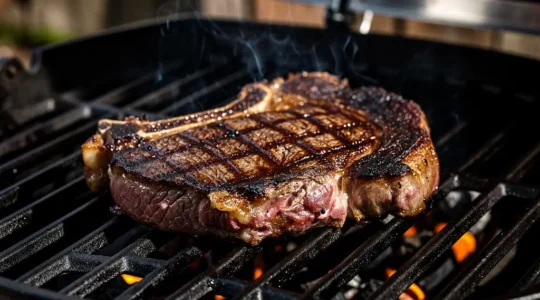
How to Get Dark Sear Marks in 90 Seconds Without Tearing the Meat
Dark, clean sear marks come from three things working together: thoroughly preheated grill bars, a dry meat surface and uninterrupted contact. Get those right and a steak can develop pronounced marks in a short searing window without being dragged across…
Lire la suite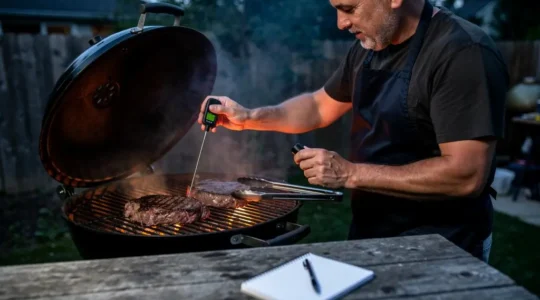
How to Hit Your Desired Doneness Every Time Even When Cut Thickness Changes
A 2 cm rump steak and a 4 cm ribeye can sit over the same barbecue, develop an equally convincing crust and finish at completely different levels of doneness. The problem is not necessarily the heat, the recipe or the…
Lire la suite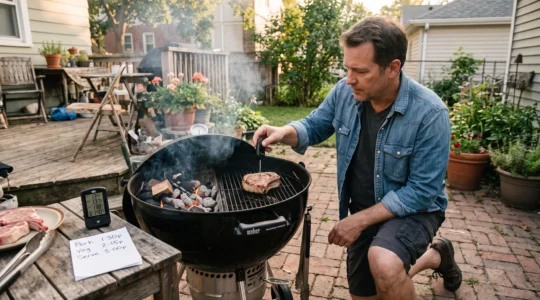
How to Estimate BBQ Cooking Times So Dinner Starts Within a 15-Minute Window
BBQ cooking times become manageable when you stop treating recipe timings as deadlines and start treating them as estimates that must be checked against actual grill and food temperatures. The practical approach is to work backwards from dinner, allow for…
Lire la suite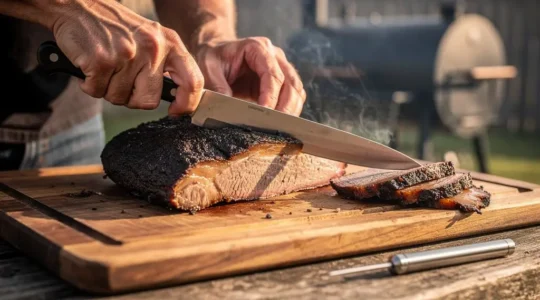
How to Render Fat Properly So Smoked Meat Tastes Clean Instead of Greasy
A beautiful smoke ring means little when the first bite leaves a waxy coating across your tongue. Smoked brisket can be tender yet greasy, while pork shoulder can pull apart perfectly and still contain stubborn pockets of hard fat. The…
Lire la suite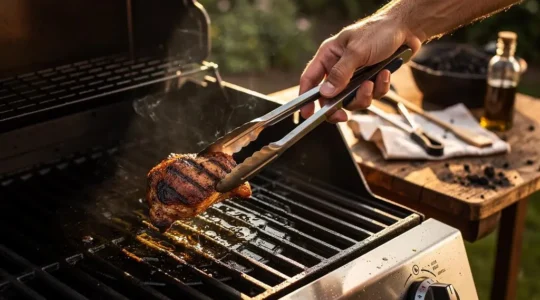
How to Make Your Grill Surface Naturally Nonstick Without Using Sprays That Burn
Fish skin tearing against the bars, chicken leaving browned patches behind and courgette slices refusing to lift are familiar frustrations at the barbecue. Reaching for a cooking spray might seem convenient, but a naturally easy-release grilling surface depends more on…
Lire la suite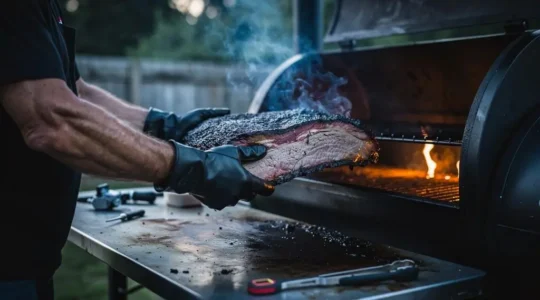
How to Turn Tough Cuts Tender by Targeting Connective Tissue Without Overcooking the Meat
A beef brisket can reach 91°C (195°F) and still resist your knife. A cheaper chuck roast can spend hours in the oven and remain chewy. Neither result necessarily means the meat needs a higher target temperature. The problem may be…
Lire la suite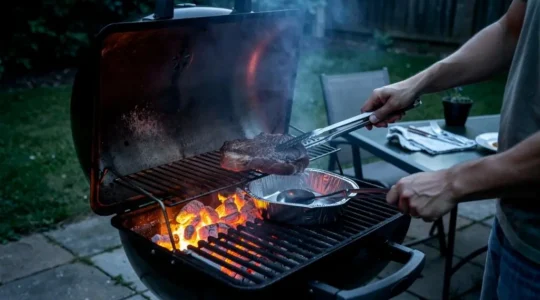
How to Cook Indirect on a Grill So Thick Cuts Finish Evenly Without Burning
Thick steaks, bone-in pork chops and large chicken pieces can burn on the outside while remaining undercooked in the centre when they sit directly above intense flames. The solution is to separate the heat source from the food. Indirect grilling…
Lire la suite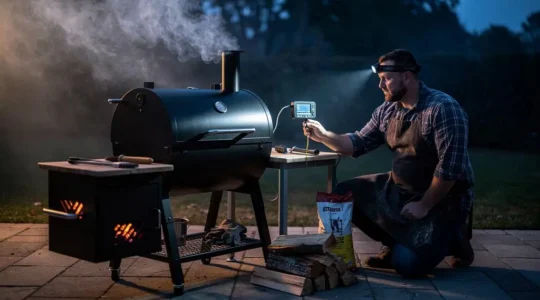
How to Cook Low and Slow for 6–14 Hours Without Creeping Into the Food-Safety Danger Zone
A pork shoulder can spend most of a Saturday in the smoker and emerge beautifully tender. It can also finish late, retain rubbery fat or become unsafe after an unnoticed fire failure. The difference is not simply how many hours…
Lire la suite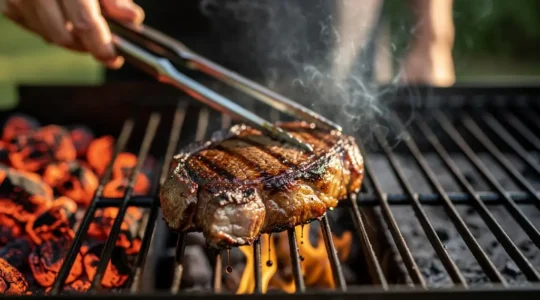
How to Get a Caramelized Crust Without Burning When Your Grill Runs Hot
A grill that runs hot can produce an impressive crust, but it can also turn a beautifully browned steak, chicken thigh or vegetable into a bitter, blackened mess before the centre is cooked. The solution is not automatically to lower…
Lire la suite