techniques and cooking methods
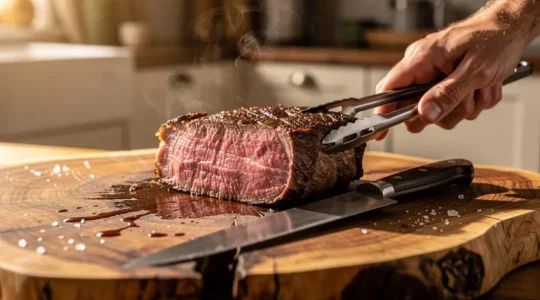
How to Reverse-Sear a Thick Steak Without Grey Bands or a Cold Centre
A thick steak presents two competing demands: the centre needs enough time to reach the desired doneness, while the outside needs intense heat to develop a deeply browned crust. Apply high heat for too long at the beginning, and the…
Lire la suite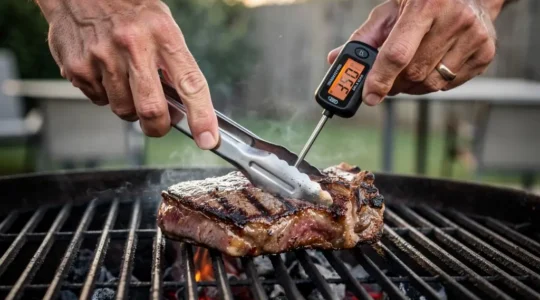
How to Use Internal Temperature Without Overcooking Meat That “Looks Not Done Yet”
A meat thermometer can tell you what is happening inside a steak, roast or brisket, but it cannot make the cooking decision for you. The number on the display is only part of the picture: probe placement, temperature rise, cut…
Lire la suite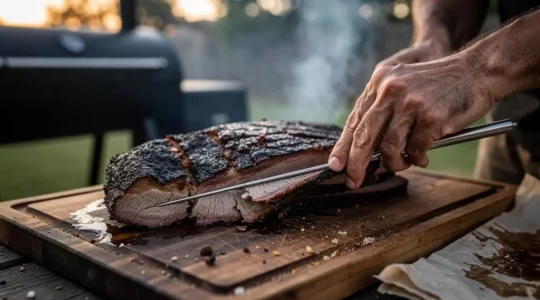
How Collagen Breaks Down Over Time So You Stop Chasing a Single Magic Number
A brisket can reach 203°F (95°C) and still feel like rubber. Another can become beautifully tender before the thermometer ever displays that number. Neither result is mysterious once collagen breakdown is understood as a process rather than a temperature switch….
Lire la suite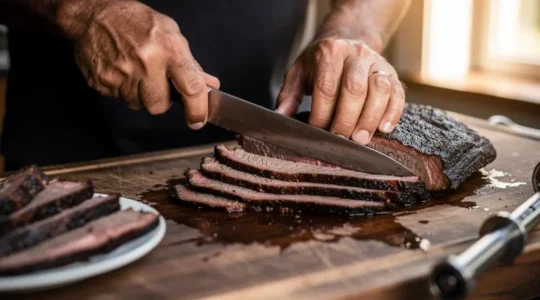
How to Slice and Serve Meat So It Feels Tender Even When Cooked to the Same Temperature
Two steaks can reach exactly the same internal temperature and still feel completely different when you chew them. One practically melts in your mouth. The other makes your jaw work, despite being perfectly cooked to the temperature you intended. The…
Lire la suite